What's left when you leave a belief system
When you leave a system that had power over you, the natural thing to do is go after its contents. The theology itself. The specific rules and regulations that were used to evaluate you. The mythology about who's chosen and who isn't. The political line. We list out the contents of our old way of being as a checklist for ideological correction, and correcting them feels like being set free.
Unfortunately, we also inherit more structural aspects of our thinking from old systems. Architectures and mechanisms like out-group exclusion, certainty, performative shibboleths signaling correct belief. These structures tend to get refilled with new content, rather than dismantled with the belief. The result is that many of those who consider themselves ex-members of a system carry the regressive mental infrastructure of that system with them.
Rokeach made a version of this point in The Open and Closed Mind, arguing that dogmatism is structural. It's how you hold your beliefs, not which beliefs you hold.
Because of my background, I see it most commonly in ex-evangelicals. They bravely leave the church to build a new belief system and community but end up keeping the purity tests, the social penalties for dissent, and the visceral contempt for people who haven't seen the light. The contents are different but the mechanisms are identical.
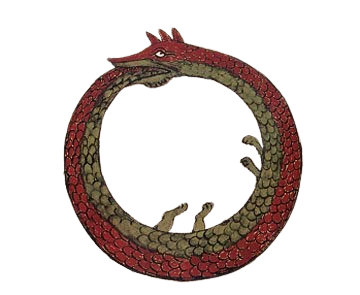
You can pour everything out of a container and mistake that for having gotten rid of the container itself.
See also: Shame Arbitrage.